

Char Dham Yatra Guide
A complete Chardham travel guide with sightseeing — every temple, valley, confluence, and viewpoint worth stopping for along the route from Haridwar to Yamunotri, Gangotri, Kedarnath, and Badrinath.
⚡ Quick Answer
The best places to visit during Chardham Yatra go well beyond the four main temples. Along the way, the route passes the Panch Prayag river confluences, the pine-covered Harsil Valley, the meadows of Chopta and Tungnath, the high-altitude lake at Deoria Tal, Auli's ski slopes, and the last Indian village at Mana — alongside the Yamunotri, Gangotri, Kedarnath, and Badrinath temples themselves. This guide covers all 30 spots worth building into your itinerary, grouped by region so you can plan stops without backtracking.
Planning your sightseeing route?
A private taxi lets you stop at every place on this list. Get a quote on WhatsApp.
More Than Four Temples: Sightseeing Along the Chardham Circuit
Most people plan a Char Dham road trip around the four main temples — Yamunotri, Gangotri, Kedarnath, and Badrinath. That's the spiritual core of the journey, and rightly so. But the road connecting them runs through some of the most striking parts of the Himalayas, and treating the drive as just a means to an end means missing a lot of what makes this route special.
Between the temples, you'll pass river confluences where the color of the water visibly changes, alpine meadows above the tree line, valleys thick with deodar and pine, and villages that feel unchanged by time. Many of these tourist attractions on the Chardham route require only a short detour or a 20–30 minute stop, but they add real depth to the trip.
This guide lists the top attractions in Uttarakhand's Chardham region, organized by area, so you can see what's worth building into your itinerary without constant backtracking. For the full route layout, our Char Dham route map is a useful companion to this list.
📍 All 30 Places at a Glance
Tourist Places Near Yamunotri (Places to Visit Between Haridwar and Chardham)
The Yamunotri leg is usually the first stretch of the yatra, and it has its own share of worthwhile stops between Haridwar and the temple itself.
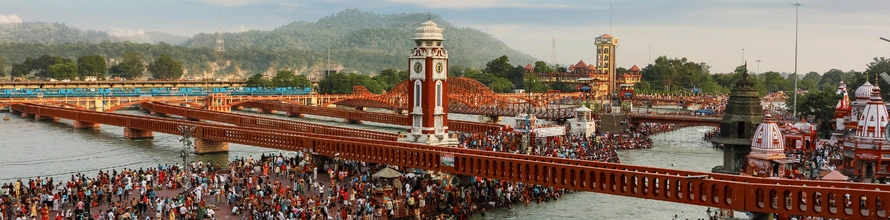
Haridwar
The gateway to the yatra. Har Ki Pauri's evening Ganga Aarti is worth timing your arrival around before heading into the hills.
Rishikesh
A short detour from the main route, known for Laxman Jhula, Triveni Ghat, and its riverside cafes — a good breakfast stop on day one.
Barkot
A quiet hill town that most travelers use as an overnight halt before continuing to Yamunotri — a good place to rest before the final push.
Hanuman Chatti
The last proper town before the road narrows further toward Janki Chatti, with basic stays and simple food options.
Janki Chatti
The road officially ends here — this is where the trek to Yamunotri Temple begins, on foot or by pony/palki.
Yamunotri Temple
The source shrine of the Yamuna river, set against a dramatic backdrop of glaciers and steep rock faces — the spiritual highlight of this leg.
Surya Kund
A natural hot spring right next to the Yamunotri Temple, where pilgrims traditionally cook rice and potatoes as an offering.
Panch Prayag Places to Visit — The Five Sacred River Confluences
The Panch Prayag are five points where Himalayan rivers meet, each considered sacred, and each sitting directly on or just off the main Chardham route.
Devprayag
Where the Alaknanda and Bhagirathi rivers meet to officially form the Ganga — you can clearly see the two different water colors merge.
Rudraprayag
The confluence of the Alaknanda and Mandakini rivers, and also the point where the routes to Kedarnath and Badrinath split apart.
Karnaprayag
Alaknanda meets the Pindar river here, on the route toward Badrinath — a good short leg-stretch stop with small local eateries.
Nandprayag
A smaller, quieter confluence where the Nandakini river joins the Alaknanda, often passed through without stopping — worth a brief pause.
Vishnuprayag
The last of the five confluences, near Joshimath, where the Dhauliganga meets the Alaknanda — close to the final stretch toward Badrinath.
Tourist Places Near Gangotri
The Gangotri leg runs alongside the Bhagirathi river for long stretches, and it includes some of the most scenic places in Chardham Yatra.
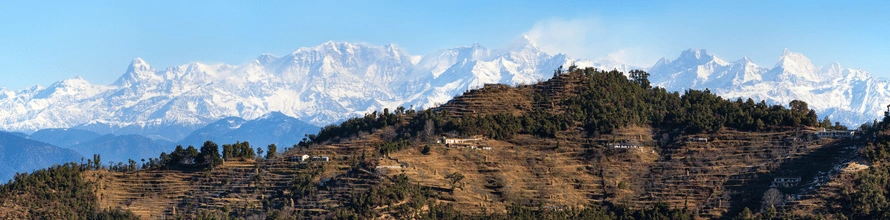
Uttarkashi
Home to the Vishwanath Temple and a common overnight halt on the way to Gangotri, with a laid-back, riverside town feel.
Harsil Valley
One of the true hidden gems in Chardham Yatra — apple orchards, deodar forests, and a valley so scenic it's been used as a film location.
Gangotri Temple
The origin shrine of the Ganga, set beside the rushing Bhagirathi river with snow peaks visible in the background on clear days.
Tourist Places Near Kedarnath
This stretch has some of the most famous places near Chardham temples, including a few spots people often overlook while focused on reaching Kedarnath itself.
Guptkashi
Home to the Vishwanath and Ardhnareshwar temples, and a common overnight stop before continuing toward Sonprayag and Gaurikund.
Triyuginarayan Temple
Believed to be the site of Shiva and Parvati's divine wedding, with a fire said to have burned continuously since — a short detour off the main road.
Sonprayag
The confluence of the Mandakini and Vasuki rivers, and typically where vehicles stop before the short shared-transport hop to Gaurikund.
Gaurikund
The road ends here, and the Kedarnath trek begins. Named after Goddess Parvati, with a thermal spring believed to be where she meditated.
Kedarnath Temple
One of the twelve Jyotirlingas, set against the Kedarnath peak — reached after a 16–18 km trek from Gaurikund. See our Haridwar to Kedarnath distance guide for full route planning.
Bhairavnath Temple
A short walk from the main Kedarnath temple, dedicated to Bhairav Nath, believed to be the guardian deity of the Kedarnath valley.
Scenic Places in Chardham Yatra: Chopta and Nearby Spots
If you have a little extra time, this small cluster near Ukhimath counts among the best photo spots in Chardham Yatra and is well worth the detour.
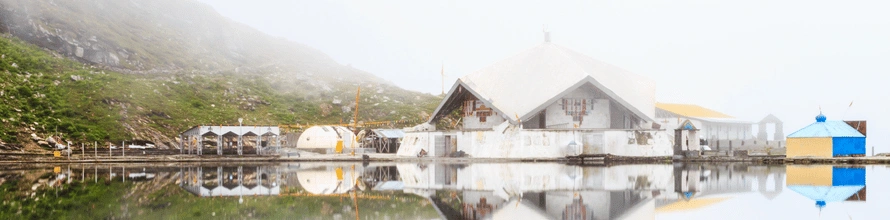
Chopta
Often called the "Mini Switzerland of India" — rolling meadows, oak forests, and views of the Chaukhamba peaks in the distance.
Tungnath Temple
The highest Shiva temple in the world, reached by a moderate trek from Chopta — one of the Panch Kedar temples, with sweeping Himalayan views.
Deoria Tal
A high-altitude lake known for reflecting the Chaukhamba range on calm mornings — a short trek from the nearest road access point.
Tourist Places Near Badrinath
The final leg of the Chardham circuit brings together some of the most famous places near Chardham temples, including India's last village.
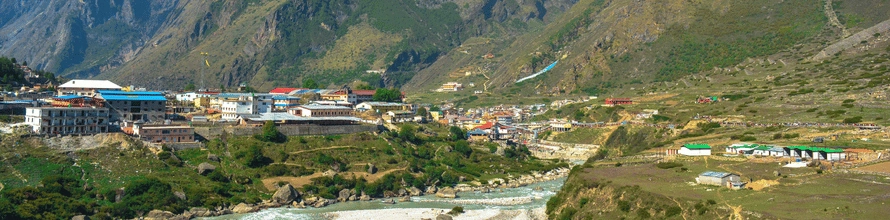
Joshimath
A key hill town on the route, home to one of Adi Shankaracharya's four mathas, and the last major stop before Badrinath.
Auli
A short detour from Joshimath, known for its ski slopes in winter and cable car views over the Nanda Devi range year-round.
Badrinath Temple
Dedicated to Lord Vishnu, directly accessible by road, and the final of the four dhams. See our Kedarnath to Badrinath distance guide if you're planning a Do Dham route.
Tapt Kund
A natural hot sulphur spring right beside the Badrinath Temple, where pilgrims traditionally bathe before entering for darshan.
Mana Village
Known as India's last village, just a few kilometers from Badrinath — worth visiting for its old wooden houses and the Saraswati river's source point.
Vasudhara Falls
A striking waterfall near Mana Village, reached by a moderate trek — one of the more rewarding hidden gems in Chardham Yatra for those with time to spare.
Building a Chardham Itinerary With Sightseeing
Fitting all 30 places into a single trip isn't realistic for most travelers, and it isn't necessary either. A more practical approach is to pick 2–3 detours per leg of the journey that genuinely interest you — a valley here, a lake there — rather than trying to stop everywhere.
This is also where a private taxi makes a real difference. Shared transport and buses run on fixed schedules with little room for detours, while a dedicated cab lets you build stops like Harsil Valley, Chopta, or Mana Village directly into your route without disrupting the rest of the itinerary.
Chardham Travel Tips for Sightseeing Stops
Frequently Asked Questions
Which places to visit first in Char Dham Yatra?▼
Following the traditional order, Yamunotri is visited first, followed by Gangotri, Kedarnath, and finally Badrinath — moving roughly west to east across the region.
Which places are covered in Char Dham Yatra?▼
The four main shrines are Yamunotri, Gangotri, Kedarnath, and Badrinath. Along the way, the route also passes through Haridwar, Rishikesh, the Panch Prayag confluences, Guptkashi, Joshimath, and several other towns and viewpoints covered in this guide.
Which is difficult, Yamunotri or Gangotri?▼
Yamunotri is generally considered more physically demanding since it requires a trek from Janki Chatti, while Gangotri Temple is directly accessible by road with no trekking required.
How many days are sufficient for Char Dham Yatra?▼
A full Char Dham Yatra typically takes 10–12 days by road. If you're including several sightseeing detours from this list, it helps to add 1–2 extra days to your plan.
In which order should Char Dham be done?▼
The traditional order is Yamunotri, Gangotri, Kedarnath, then Badrinath. Some travelers adjust this based on temple opening dates or a shorter Do Dham route covering only Kedarnath and Badrinath.
Which is harder, Kedarnath or Badrinath?▼
Kedarnath is harder, since it requires a 16–18 km trek at high altitude. Badrinath is directly accessible by road, making it far easier for elderly travelers or those with limited mobility.
Which month is better for Char Dham Yatra?▼
May, June, September, and October are generally the most comfortable months — cooler than peak summer and with a lower monsoon-related landslide risk than July–August.
Do we need to walk in Yamunotri?▼
Yes. The road ends at Janki Chatti, and reaching Yamunotri Temple requires a trek of about 5–6 km, on foot or by pony/palki.
Which dham is difficult?▼
Kedarnath is generally considered the most physically demanding of the four dhams, followed by Yamunotri, due to the trekking involved at both.
Which city is closest to Yamunotri?▼
Barkot is the closest town to Yamunotri and is commonly used as an overnight halt before the final drive to Janki Chatti and the trek onward.
What are the risks of Char Dham Yatra?▼
The main risks include altitude-related discomfort, sudden weather changes, monsoon landslides on certain stretches, and fatigue from long trekking sections. Reasonable pacing, proper clothing, and checking road/weather updates help manage these risks.
What is famous in Kedarnath to buy?▼
Rudraksha malas, woolen shawls, local herbal products, and small brass idols are commonly bought as souvenirs near Kedarnath.
How can I plan for Char Dham Yatra?▼
Start with your travel dates and the number of dhams you want to cover, then work out a rough route and daily driving distances. Booking a private taxi in advance, especially during peak season, makes the rest of the planning much easier — call or WhatsApp us for a tailored itinerary.