
Joshimath Travel Guide: Places to Visit, Trekking & Hotels
Joshimath is a Himalayan town in Chamoli district, Uttarakhand, and one of the most important transit points on the Char Dham circuit — the last major halt before Badrinath, and the gateway to Auli, Valley of Flowers, and Nanda Devi National Park. This guide covers the temples, viewpoints, trekking routes, weather, and how to get here by road.
Where Is Joshimath?
Joshimath, also known as Jyotirmath, is a town in Chamoli district — Joshimath Uttarakhand sits at roughly 1,875 metres in the Garhwal Himalayas, near the point where the Alaknanda and Dhauliganga rivers meet at Vishnuprayag. It's one of the four cardinal mathas established by Adi Shankaracharya (alongside Sringeri, Dwarka, and Puri), and functions as the last major town before Badrinath on the Char Dham route.
Every winter, when the Badrinath temple closes for the season, its deity is ceremonially brought down to Joshimath's Narsingh Temple, where worship continues until the shrine reopens in spring. This dual role — active pilgrim town and winter seat of Badrinath — is a big part of why Joshimath is famous far beyond just being a stopover.
Joshimath is also the launch point for two of Uttarakhand's best-known natural attractions: Auli, one of India's premier skiing and cable-car destinations, and the trekking routes into Valley of Flowers and Nanda Devi National Park. If you're planning the wider Char Dham circuit, our Char Dham Yatra route map and Kedarnath–Badrinath tour package are useful companion reads.
For most pilgrims, a night in Joshimath isn't optional so much as practical — it breaks up what would otherwise be a very long single-day drive from Rishikesh or Haridwar, and it puts you close enough to Badrinath that you can start early the next morning and reach the temple in daylight, well ahead of the busiest darshan hours. Combined with its role as the changeover point for Auli and the Valley of Flowers trailhead, this is really why Joshimath ends up on almost every Char Dham itinerary rather than being skipped as a simple pass-through town. If you're also stopping to see other sights along the way, our places to see during the Char Dham tour guide covers several worthwhile detours on the same general route.
Geographically, Joshimath's position at the junction of several roads is part of what makes it so useful for travellers — it's the point where the Badrinath road, the Auli road, and the trailhead access roads toward Govindghat and Lata all effectively converge, which is a large part of why nearly every itinerary through this part of Uttarakhand ends up routing through the town at some point, whether that's the plan or not.
For a first-time visitor, that convergence of roads, religious significance, and access to natural attractions is really the simplest way to understand Joshimath: it's less a single-purpose destination and more a hub that connects several of Uttarakhand's most-visited places, which is exactly why it rewards spending at least one full day here rather than treating it as a place to simply pass through overnight.
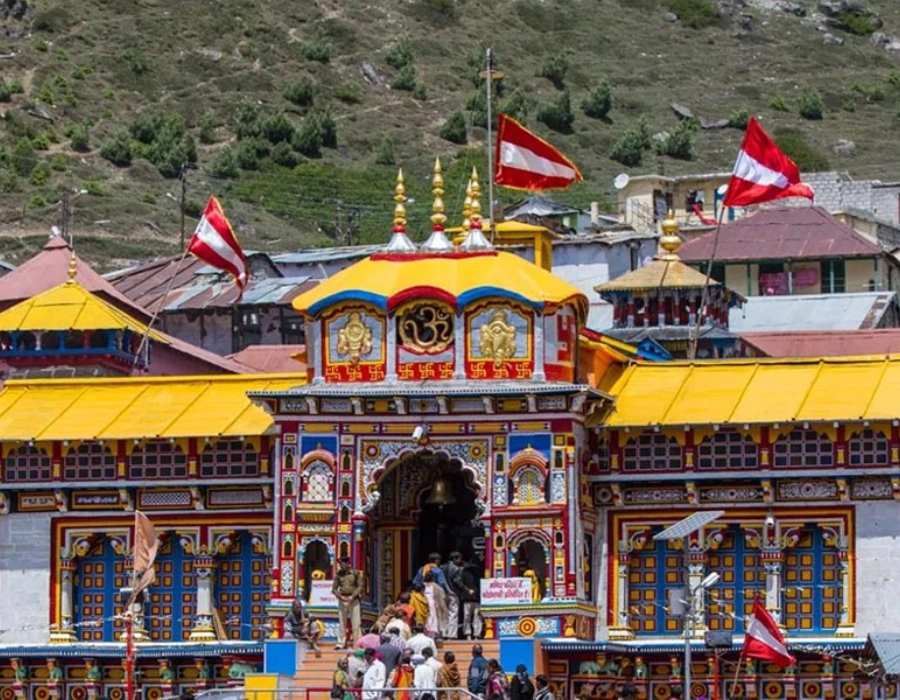
Narsingh Mandir Joshimath
The Narsingh Mandir Joshimath — also written as Joshimath Narsingh Mandir — is one of the town's most significant shrines, dedicated to Lord Narsingh, an avatar of Vishnu. It holds special importance during winter, when the Badrinath deity is brought down and worshipped here for the six months the main temple stays closed, making it one of the most visited stops for pilgrims travelling through Joshimath.
The temple carries a well-known local legend: the idol's right arm is said to be gradually thinning over the centuries, and tradition holds that when it finally breaks off completely, the route to Badrinath will be blocked by a landslide from Jai and Vijay mountains, and worship will shift permanently to a new shrine at Bhavishya Badri ("Future Badrinath"), a short distance from Joshimath.
Beyond its religious significance, the temple complex is a straightforward, low-effort stop for anyone passing through Joshimath — it sits within the town itself, requires no trekking, and pairs naturally with a short walk to see the town's other well-known landmark, the ancient Kalpavriksha tree nearby.
The temple's architecture reflects its age — a modest stone structure rather than an elaborate one, which suits its role as a working shrine tied to daily ritual rather than a purely monumental site. Pilgrims arriving in winter, when the road to Badrinath itself is closed for the season, will find this is genuinely the closest they can get to worshipping the Badrinath deity in person, which adds a layer of significance for visitors making the trip specifically during the colder months.
Things to Do in Joshimath
Joshimath is famous for being the gateway to some of Uttarakhand's biggest draws, but the town itself has enough to fill a day before you head onward. Here are the main Joshimath tourist places and Joshimath places to visit.
Around 16 km from Joshimath by road, or reachable via one of India's longest cable-car rides, Auli is a premier ski destination with sweeping views of Nanda Devi and the surrounding peaks. Beyond winter skiing, it's also popular in summer for its meadows and the artificial lake used for snow-making, which doubles as a scenic walking spot.
The winter seat of the Badrinath deity, right in town — covered in detail above, and one of the most-visited stops for pilgrims passing through.
The sacred confluence of the Alaknanda and Dhauliganga rivers, just outside town — a quick, easy stop with genuinely striking river views, and one of the five Panch Prayag confluences considered sacred along this stretch of the Alaknanda.
An ancient mulberry tree in the heart of Joshimath, believed to be over a thousand years old and associated with Adi Shankaracharya's meditation. It's a quiet, low-key stop, but one many visitors find genuinely moving given its age and the quiet courtyard it sits within.
A short drive from town, these natural hot springs are a popular stop for a relaxed soak, especially in the cooler months, and a good way to unwind after a long day of driving or an early trek.
One of the four cardinal mathas founded by Adi Shankaracharya, and a significant stop for anyone interested in the philosophical history behind the Char Dham. The matha is credited with giving Joshimath its alternate name, and remains an active seat of religious learning to this day.
Put together, this is really why Joshimath is famous for more than just being a stopover — it combines active pilgrimage (the Narsingh Mandir and Jyotirmath), natural beauty (Auli and Vishnuprayag), and genuine historical depth (the Kalpavriksha tree and the Bhavishya Badri legend) within a fairly compact area, which is unusual even by Uttarakhand's standards. Most travellers find a single day is enough to cover the town itself, leaving the rest of their stay free for a side trip up to Auli.
Joshimath Weather, Temperature & Altitude
At ~1,875 m, the Joshimath altitude keeps the climate noticeably cooler than the plains year-round, though it's still milder than higher points like Badrinath or Auli. The Joshimath temperature shifts quite a bit across the year, so here's what to expect in each season.
Yes — it does snow in Joshimath, typically between December and February, with the heaviest and most reliable snowfall usually seen up at neighbouring Auli rather than in the town itself. Joshimath's own snowfall is lighter and less consistent, since the town sits at a comparatively lower altitude than the peaks around it.
For most travellers, May–June and September–October offer the best balance of clear skies and manageable temperatures, whether you're here for Char Dham, a trek toward Valley of Flowers, or simply passing through en route to Badrinath. Winter visits are really a separate trip in their own right, aimed mainly at travellers heading up to Auli specifically for snow and skiing, since Badrinath itself is closed for the season during those months.
Whatever season you travel in, it's worth packing at least one warm layer regardless of the daytime temperature — evenings in Joshimath cool down quickly once the sun drops behind the surrounding ridgeline, and this is even more true if you're continuing on to Badrinath or Auli the same trip, both of which sit noticeably higher and colder than the town itself.
Joshimath: Gateway to Valley of Flowers & Nanda Devi National Park
Beyond Badrinath and Auli, Joshimath is also the practical starting point for two of Uttarakhand's most celebrated protected areas, both part of the same UNESCO World Heritage Nanda Devi Biosphere Reserve. Neither is a day trip from Joshimath itself — both require at least one further overnight stay closer to the trailhead — but Joshimath is where you'll arrange your permits, top up supplies, and hire local trekking support before continuing on.
How to Reach Valley of Flowers from Joshimath
Drive from Joshimath to Govindghat, roughly 20 km along the Badrinath road, which is the last motorable point. From there, it's a trek via Ghangaria before the trail splits — one path leading into the Valley of Flowers meadows, the other toward the Hemkund Sahib gurdwara. The valley itself is in full bloom typically from July through September, with the trek to Ghangaria typically taking a full day and the final push into the valley itself best done as an early-morning walk to catch clear light and avoid afternoon cloud cover.
How to Reach Nanda Devi National Park from Joshimath
Drive from Joshimath to Lata village, roughly 26 km, which serves as the main gateway to the outer sanctuary of Nanda Devi National Park. The park's inner sanctuary has been closed to trekkers since 1983 to protect its fragile ecology, but treks like Kuari Pass and the outer Nanda Devi routes remain accessible from this side. Lata itself is a small mountain village with basic guesthouse options, commonly used as a base for organising porters and permits before setting out on a multi-day trek.
How to Reach Joshimath
Joshimath has no railway line or airport of its own, so every route into town is by road. Here's the distance from the main base cities, along with a few practical notes on what each leg actually involves.
Whichever base you start from, the route follows the same broad corridor — up the Alaknanda valley through Devprayag, Rudraprayag, and Karnaprayag, before climbing steadily toward Chamoli and finally Joshimath. It's a genuinely long drive by any measure, which is why most travellers split it across two days with an overnight stop somewhere around Rudraprayag or Karnaprayag, rather than attempting the full distance in one sitting.
| Route | Approx. Distance | Approx. Time |
|---|---|---|
| Rishikesh to Joshimath | ~250–260 km | 8–9 hrs |
| Haridwar to Joshimath | ~270–280 km | 9–10 hrs |
| Dehradun to Joshimath | ~290–300 km | 9.5–10.5 hrs |
| Delhi to Joshimath | ~500–520 km | 12–14 hrs |
| Joshimath to Badrinath | ~45–48 km | 1.5–2 hrs |
| Joshimath to Auli | ~16 km | 30–45 mins (road) |
Distances and travel times are approximate and vary with traffic, weather, and road conditions, especially during peak yatra season (May–June). See our Haridwar to Badrinath distance guide and Kedarnath to Badrinath distance guide for the connecting legs.
Joshimath Nearest Railway Station
Rishikesh is generally the nearest major railway station, roughly 250–260 km away, with Haridwar as the larger nearby railhead for long-distance trains from Delhi, Lucknow, and other major cities. Neither has a direct connection any closer to Joshimath itself, so the onward journey from either station is by road regardless of which one you arrive at.
How to Reach Joshimath from Delhi
Drive via Haridwar or Rishikesh and continue on the same NH7/NH58 corridor — most travellers from Delhi split this into two travel days rather than one long drive, with an overnight halt somewhere around Rishikesh, Rudraprayag, or Karnaprayag depending on what time they set out from Delhi.
By Air
Jolly Grant Airport, Dehradun, is the nearest airport, with the entire onward journey to Joshimath covered by road — roughly 290–300 km, similar in length to the drive from Dehradun city itself since the airport sits just outside town.
Hotels in Joshimath
Hotels in Joshimath range from simple budget guesthouses near the main market to mid-range hotels with valley or mountain views, with most concentrated along the upper and lower bazaar areas and the road toward Auli. Given Joshimath's role as the last major stop before Badrinath, accommodation fills up quickly during peak Char Dham season (May–June), so booking a few weeks ahead is worth the effort rather than arriving and looking for a room on the day.
If you're planning to visit Auli as well, it's worth checking whether your stay is in Joshimath itself or slightly further up toward Auli's own smaller cluster of hotels — the latter puts you closer to the ropeway and ski slopes but further from the town's temples and market, so the right choice really depends on which part of the trip matters more to you. Families and pilgrims focused on Badrinath generally do better staying in central Joshimath, while travellers prioritising Auli's skiing and views often prefer the shorter commute from a hotel closer to the ropeway base.
If you're arranging your stay alongside your travel, it's usually simplest to book your taxi and accommodation together so your driver can plan overnight halts around confirmed stays rather than searching on arrival. Our Dehradun to Char Dham taxi service can help coordinate this as part of your overall Joshimath and Badrinath itinerary — call 9368028472 for current guidance on stay options along your route.
A last practical note: rooms with a direct valley or mountain view generally cost more and book out first, so if that's a priority for your stay, it's worth mentioning it specifically when you call rather than assuming it'll be available closer to your travel dates, especially during the busy May–June window.
Hire a Taxi to Joshimath
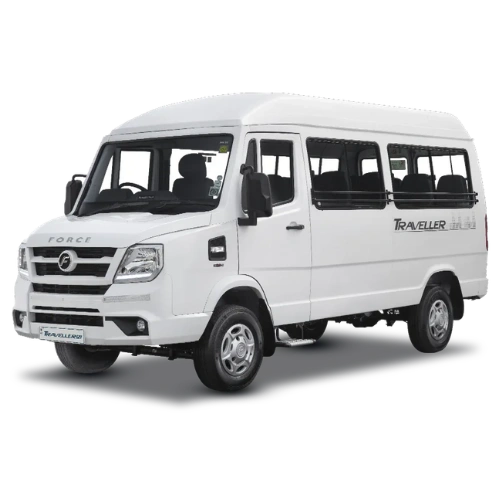
Chardham Taxi Services, the dedicated Char Dham arm of DivyaShree Cabs, runs sedans, MUVs, SUVs, and tempo travellers to Joshimath from Haridwar, Rishikesh, and Dehradun, with pickup available from your hotel or the nearest railway station. All vehicles come with an experienced hill-route driver who knows the Devprayag–Rudraprayag–Karnaprayag corridor well, and can also factor in a side trip to Auli or the Valley of Flowers trailhead if you're planning one — call for a confirmed quote before booking.



Joshimath Taxi Fare Guidance
Fares to Joshimath depend on the vehicle type, your exact starting point, and the season. The figures below are a planning guide only — always confirm the exact fare on call before booking.
| Vehicle Type | Typical Use Case | What Affects the Fare |
|---|---|---|
| Sedan | 1–4 travellers, budget trip | Season, one-way vs. round trip, waiting days |
| Ertiga | Small family, 4–6 travellers | Same as above, plus luggage load |
| Innova / Crysta | Family or elderly-friendly group, up to 7 | Peak-season demand, overnight halts |
| Tempo Traveller | Group bookings, 9–17 | Group size, itinerary length, toll charges |
Prices may vary by season, vehicle condition, fuel rates, and availability, and typically run higher during peak Char Dham season (May–June). For an exact quote, call us directly — see also our Haridwar taxi service for Char Dham Yatra for how our regional fares are structured.
A few extra factors worth keeping in mind: round trips generally work out cheaper per kilometre than two separate one-way bookings, waiting days at Joshimath or Badrinath are usually charged separately from the driving fare, and if you're combining this with an Auli or Valley of Flowers side trip, it's worth mentioning that upfront so your driver can factor the extra distance and time into the overall quote rather than treating it as a separate booking.
Joshimath FAQs
Where is Joshimath?
Joshimath is located in Chamoli district, Uttarakhand, in the Garhwal Himalayas, at an altitude of roughly 1,875 metres near the confluence of the Alaknanda and Dhauliganga rivers at Vishnuprayag. It sits on the main Char Dham road, roughly 45–48 km short of Badrinath and around 16 km from Auli.
How to reach Joshimath from Delhi?
Drive via Haridwar or Rishikesh and continue on the same NH7/NH58 corridor used for the Char Dham route — the full distance is roughly 500–520 km, usually split across two travel days with an overnight halt somewhere around Rudraprayag or Karnaprayag rather than one long drive.
How to reach Joshimath?
Joshimath has no railway line or airport of its own, so it's reached entirely by road — most commonly via a private taxi from Rishikesh, Haridwar, or Dehradun, following NH7 and NH58 up the Alaknanda valley through Devprayag, Rudraprayag, and Karnaprayag.
How to reach Nanda Devi National Park from Joshimath?
Drive from Joshimath to Lata village, roughly 26 km, which serves as the main gateway to the park's outer sanctuary and treks like Kuari Pass. The inner sanctuary itself has been closed to trekkers since 1983 to protect its fragile ecology.
How to reach Valley of Flowers from Joshimath?
Drive from Joshimath to Govindghat, roughly 20 km, the last motorable point, then trek via Ghangaria to reach the Valley of Flowers meadows — the flowers themselves are in full bloom typically from July through September.
Does it snow in Joshimath?
Yes, Joshimath does get snowfall, typically between December and February, though the heaviest and most reliable snow is usually seen up at neighbouring Auli rather than in the town itself, since Auli sits at a higher altitude.