
Haridwar to Badrinath
Distance and Cab Service
The Haridwar to Badrinath distance is roughly 320–325 km by road — one long, well-paced mountain drive along the Alaknanda, with no trek at the end of it. Experienced hill-route drivers, clean vehicles, and confirmed Haridwar to Badrinath taxi fare on call.
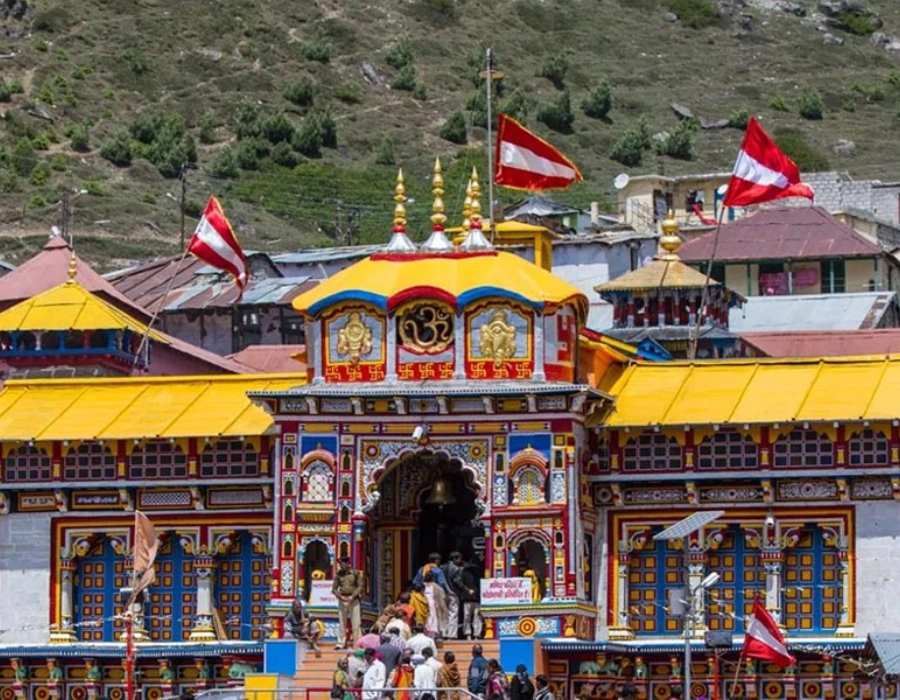
Badrinath Dham: The Shrine at the End of the Road
The distance between Haridwar and Badrinath works out to roughly 320–325 km, and the Badrinath to Haridwar distance is the same figure in reverse. Badrinath sits at roughly 3,133 metres in Chamoli district, on the bank of the Alaknanda river, framed by the Nar and Narayan ranges with Neelkanth rising behind it. Dedicated to Lord Vishnu in his Badrinarayan form, it's counted among both the Char Dham and the 108 Divya Desams sacred to Vaishnavites — and, in the traditional sequence, it's visited last, after Yamunotri, Gangotri, and Kedarnath.
The temple opens each year around late April or early May and closes in early-to-mid November, with the deity moved down to Joshimath's Narsingh temple for winter. Close by, the Tapt Kund hot springs are traditionally used for a ritual bath before darshan, and Mana — often called India's last village before the Tibet border — is an easy half-day add-on. See our guide to places to see during the Char Dham tour for more stops worth building in.
Quick Facts
- District Chamoli, Uttarakhand
- Deity Lord Vishnu (Badrinarayan)
- River Alaknanda
- Nearby peak Neelkanth
- Season Late Apr/May – mid Nov
- Winter seat Narsingh Temple, Joshimath
- Trek required None — road to the gates
Haridwar to Badrinath Road Map: Mile by Mile
The full Haridwar to Badrinath distance by road — about 320–325 km — follows the Alaknanda valley almost the entire way, through several of the sacred Panch Prayag confluences. Whether you're following the Haridwar to Badrinath road map on a GPS app or the printed Haridwar to Badrinath route map below, the corridor is the same single road the whole way.
| Route | Approx. Distance | Approx. Time |
|---|---|---|
| Haridwar to Badrinath | ~320–325 km | 10–12 hrs |
| Badrinath to Haridwar (return) | ~320–325 km | 10–12 hrs |
| Haridwar to Rishikesh | ~22–25 km | 45 mins – 1 hr |
| Haridwar to Rudraprayag | ~165 km | 5–5.5 hrs |
| Haridwar to Joshimath | ~270–280 km | 9–10 hrs |
| Joshimath to Badrinath | ~45–48 km | 1.5–2 hrs |
| Kedarnath to Badrinath (via Rudraprayag) | ~215–235 km | 8–10 hrs |
Distances and travel times are approximate and vary with traffic, weather, road works, and the exact pickup/drop points used — expect longer times during peak yatra season (May–June).
Rudraprayag is also where the Kedarnath route branches off — a useful landmark if you're combining both shrines. See our Kedarnath to Badrinath distance guide for that connecting leg, or the full Haridwar to Badrinath distance blog for more detail on this route.
Haridwar to Badrinath Distance by Road: Condition & Difficulty
Covering the Haridwar to Badrinath distance by road is a long day, but not a technically difficult one — here's what actually shapes the drive.
Wide, Well-Used Highway
For most of its length, NH7 and NH58 stay wide and well maintained, since this is the busiest pilgrimage corridor in Uttarakhand and sees heavy traffic throughout the yatra season.
Narrower Stretches Near Joshimath
The final approach past Chamoli and Joshimath narrows and winds more, with hairpin bends on the climb toward Badrinath — a driver experienced with hill roads makes a genuine difference here.
No Trek Required
Unlike Kedarnath, the road reaches the temple gates directly. This is the single biggest reason the Haridwar to Badrinath distance feels more manageable than it sounds for elderly pilgrims.
Monsoon Landslide Risk
July–August brings a higher chance of temporary blockages on the upper stretches. Checking current road advisories the morning of departure is worth the two minutes it takes.
Fuel & Rest Stops
Rishikesh, Devprayag, Rudraprayag, and Karnaprayag all offer reliable fuel and food stops, spaced comfortably through the drive so you're never far from a break.
Two-Day Pacing
Most travellers split the 320–325 km into two days with an overnight halt around Rudraprayag or Joshimath, rather than pushing through in one long stretch.
How to reach Badrinath from Haridwar
No railway line or airport sits anywhere near Badrinath, so every option below ends in a road journey.
Best Time for a Haridwar to Badrinath Taxi Trip
The temple's short season means timing matters more here than on most Uttarakhand routes — here's how the months compare.
May – June
Clear skies and the temple freshly reopened for the year, but also the busiest weeks — book your Haridwar to Badrinath taxi and any overnight stays well ahead.
July – August
Monsoon season brings lush green valleys but a higher landslide risk on the hill stretch near Joshimath — check road advisories closely before setting out.
September – October
Generally the sweet spot: post-monsoon skies are clearer, crowds thin out noticeably, and the drive itself feels calmer than peak season.
Best Taxi Service for Haridwar to Badrinath
Chardham Taxi Services is the dedicated Char Dham arm of DivyaShree Cabs, running the Haridwar–Badrinath corridor throughout the yatra season.
Garhwal route expertise
Drivers who know the Haridwar–Rudraprayag–Joshimath–Badrinath corridor, including where the landslide-prone stretches sit.
Backed by DivyaShree Cabs
Part of a wider fleet, so vehicles stay available even during the busiest May–June weeks.
A fleet built for hills
Sedans, Ertiga, Innova/Crysta, and Tempo Travellers, serviced for sustained mountain climbing.
Transparent fares
A confirmed price on call before you book — tolls, waiting days, and route changes included, not sprung on you later.
Call or WhatsApp support
Reach us on 9368028472 before or mid-trip if weather or road conditions mean your plan needs adjusting.
Comfortable for elders
No trek means this route suits older pilgrims well — we pace halts around that rather than rushing.
Travel Tips for the Haridwar to Badrinath Journey
A little planning goes a long way on a drive this long — the details that matter most in practice.
Start early
Leaving Haridwar at dawn means daylight for the whole drive and avoids Rishikesh's morning traffic.
Plan a mid-route halt
Rudraprayag or Joshimath both work well as an overnight stop, splitting the 320–325 km into two comfortable days.
Carry warm layers
Badrinath sits at 3,133 m — even in May and June, evenings drop well below what the plains prepare you for.
Book your cab in advance
Vehicles fill up fast in May–June and around major festival dates — confirming your Haridwar to Badrinath taxi early avoids last-minute scrambling.
Carry your Yatra registration
Keep your Char Dham registration and photo ID accessible from Rishikesh onward, since checkpoints along the route ask for both.
Confirm the temple's season dates
Opening and closing dates shift slightly each year based on snow clearance — confirm before you lock in travel dates.
Cab from Haridwar to Badrinath
Every Haridwar to Badrinath taxi booking includes an experienced hill-route driver, with pickup from your hotel, ashram, or Haridwar railway station.



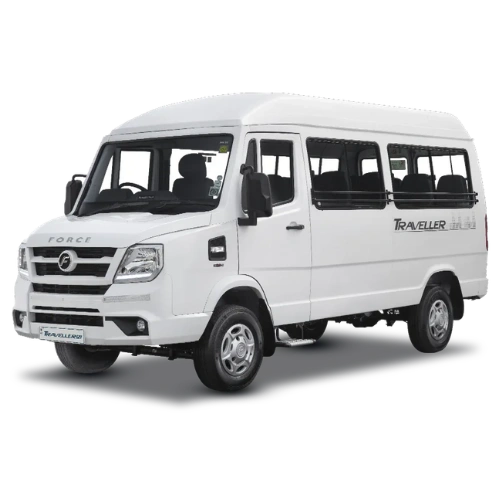
Haridwar to Badrinath Taxi Fare
The Haridwar to Badrinath taxi fare depends on vehicle, season, and whether it's a one-way drop or round trip. Call for an exact, confirmed quote.
Sedan
- Season-based pricing
- One-way or round trip
- Waiting-day charges separate
Ertiga
- Season-based pricing
- One-way or round trip
- Waiting-day charges separate
Innova / Crysta
- Peak-season demand priced in
- Overnight halts supported
- Waiting-day charges separate
Tempo Traveller
- Group-size based pricing
- Combined Kedarnath itinerary option
- Toll charges included
Prices vary by season, vehicle condition, fuel rates, and availability, and typically run higher during peak yatra months (May–June) and around major festival dates. Round trips generally cost less per kilometre than two one-way bookings. The badrinath to haridwar return fare is normally similar to the outbound leg. See our Haridwar taxi service for Char Dham Yatra page for how our regional fares are structured.
Haridwar to Badrinath FAQs
01How to reach Badrinath from Haridwar?
Travel by road via NH7 and NH58 — through Rishikesh, Devprayag, Rudraprayag, Karnaprayag, Chamoli, and Joshimath — covering roughly 320–325 km in about 10–12 hours. A private taxi is the most practical option, though state buses run this route in season.
02How to go to Badrinath from Haridwar?
Book a private taxi or catch a state roadways bus. Both follow the same road, which runs directly to the temple gates — no trek required. Most travellers split the journey across two days.
03How to reach Badrinath from Haridwar by road?
NH7 out of Haridwar joins NH58 further along, tracing the Alaknanda valley through Rishikesh, Devprayag, Rudraprayag, Karnaprayag, Chamoli, and Joshimath, with the final 45–48 km climbing directly to Badrinath.
04How to travel Badrinath from Haridwar?
By private taxi (most flexible), state bus (most economical), or a combination of road travel and a seasonal helicopter service. There's no train, so road travel applies either way.
05How to reach Badrinath Dham from Haridwar?
The same ~320–325 km road route applies, via Rishikesh, Rudraprayag, and Joshimath. Because the road reaches the temple directly, this is considerably more accessible than Kedarnath for elderly travellers and families.
06How to visit Badrinath from Haridwar?
Plan at least two travel days each way for a comfortable pace, with an overnight halt around Rudraprayag, Karnaprayag, or Joshimath. Confirm the current year's temple opening dates before finalising plans.
07How to reach Kedarnath and Badrinath from Haridwar?
Both shrines share the same initial corridor, branching at Rudraprayag. Combined, the trip typically takes 5–7 days including the Kedarnath trek — see our Kedarnath to Badrinath distance guide.
08Which month is best to visit Badrinath?
May–June and September–October generally offer the clearest weather. July–August brings monsoon rain and higher landslide risk. The temple closes from around mid-November until late April or early May.
Book Your Haridwar to Badrinath Cab Today
Tell us your dates and group size — we'll confirm a vehicle, a driver, and a fare before you hang up the phone.
Call 9368028472 Get a Custom Quote